
19 May Should I Convert My IRA to a Roth During a Market Drop?
Should I Convert My IRA to a Roth During a Market Drop?
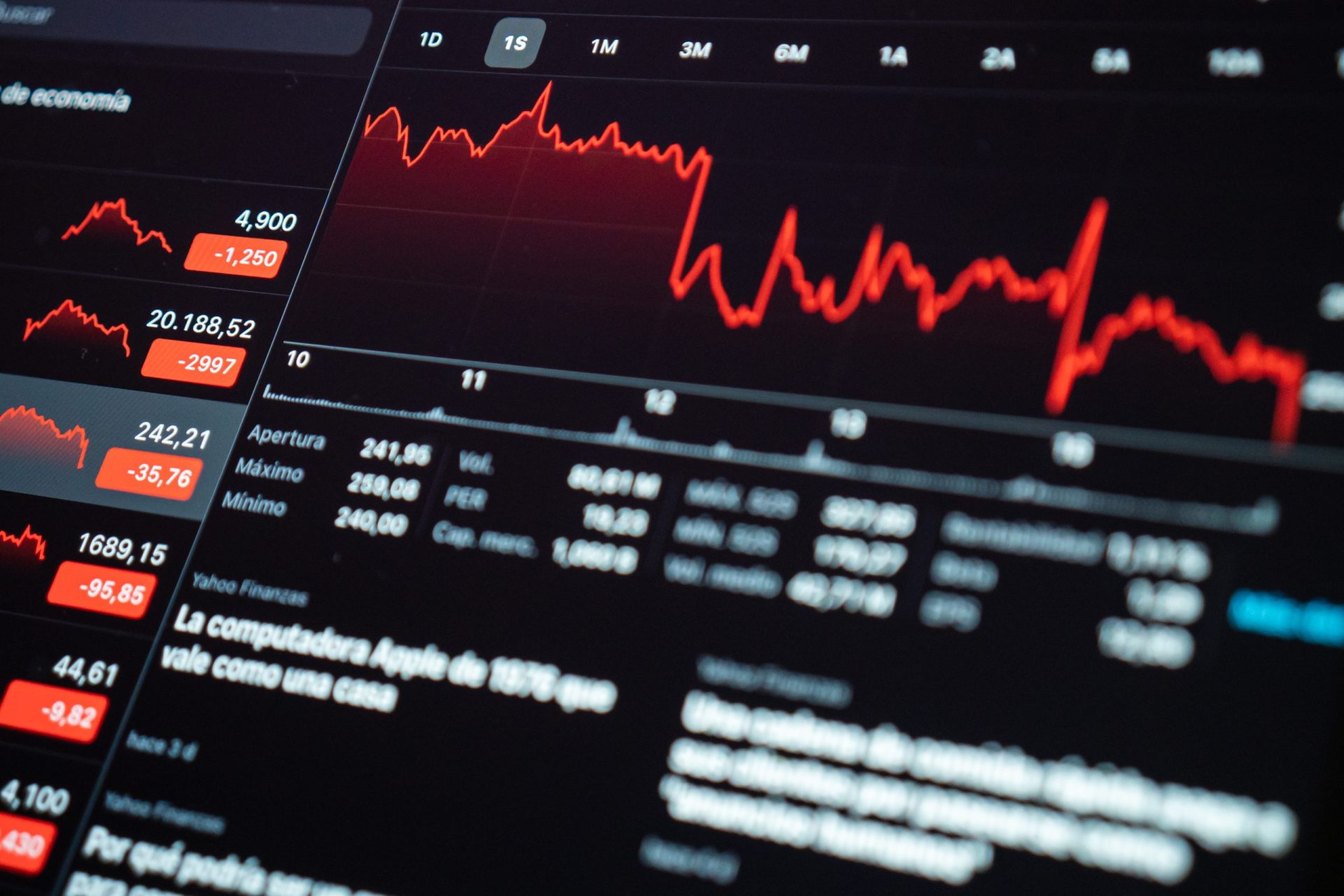
Market downturns can be uncomfortable for investors—but they may also create planning opportunities.
One strategy that often gets discussed during periods of volatility is a Roth conversion. Some individuals consider converting traditional IRA assets into a Roth IRA during a market decline because the account value may be temporarily lower.
But does that automatically make it the right move?
At Nova Wealth Management, based in Bonita Springs, Florida, we help individuals and families throughout Naples, Estero, Fort Myers, and surrounding Southwest Florida communities evaluate retirement tax strategies within the context of long-term financial planning.
1. What Happens During a Roth Conversion?
A Roth conversion involves moving assets from:
- A Traditional IRA
- 401(k)
- 403(b)
- 457 plan
…into a Roth IRA.
The amount converted is generally treated as taxable ordinary income in the year of conversion. Learn more by visiting us at https://novawealthmanagement.com/financial-services/retirement-tax-planning/
2. Why Some People Consider Conversions During Market Drops
When markets decline:
- IRA account values may temporarily decrease
This means:
- You may be able to convert the same number of shares at a lower dollar value
- Potentially creating a smaller immediate tax bill compared to converting at higher market levels
If the investments later recover inside the Roth account, future qualified growth may occur tax-free.
3. Lower Account Values May Create Tax Planning Opportunities
For example:
If an IRA valued at:
- $500,000 declines to $400,000
…a conversion at the lower value may result in:
- Less taxable income generated during the conversion
This is one reason some investors revisit Roth conversion strategies during volatility.
4. Tax Brackets Still Matter
Even during a market decline, taxes remain a key consideration.
A conversion may:
- Push income into higher tax brackets
- Affect Medicare premiums
- Impact Social Security taxation
The market decline itself does not eliminate the tax consequences.
5. Time Horizon Is Important
Roth conversions are often more impactful for individuals with:
- Longer time horizons
- Time for potential recovery and growth
- Future tax planning objectives
The strategy may look different depending on age and retirement stage.
6. Paying Taxes From Outside Assets May Matter
Some individuals use:
- Cash reserves
- Brokerage accounts
- Other non-retirement assets
…to pay conversion taxes.
This may allow more retirement assets to remain invested inside the Roth account.
7. Market Timing Is Difficult
It’s important to remember:
- No one knows exactly when markets have bottomed
- Converting during a decline does not guarantee better outcomes
The strategy should align with your overall financial plan—not just short-term market conditions.
8. Partial Roth Conversions May Be Considered
Instead of converting everything at once, some retirees evaluate:
- Partial annual conversions
- Multi-year tax bracket management
This may help manage:
- Tax exposure
- Income thresholds
- Long-term flexibility
9. Roth Conversions Are About Long-Term Strategy
The question is not only:
“Will the market recover?”
It’s also:
- What are your future tax expectations?
- What is your retirement income strategy?
- How does the conversion fit into your broader plan?
10. The Decision Should Be Coordinated Carefully
A Roth conversion during a market drop may make sense in certain situations—but it should be evaluated alongside:
- Current income
- Tax brackets
- Retirement timeline
- Estate planning goals
- Healthcare considerations
TL;DR — Roth Conversions During Market Drops
- Market declines may temporarily lower conversion tax costs
- Future recovery inside a Roth account may provide tax-free growth potential
- Tax brackets and Medicare impacts still matter
- Partial conversions may help manage taxes
- The strategy should support long-term planning goals—not just market timing
A market drop may create an opportunity for Roth conversion planning—but the decision should be based on your overall financial strategy, not emotion or headlines.
Next Steps
If you’d like to evaluate whether a Roth conversion strategy makes sense during current market conditions, we’re here to help.
👉 https://novawealthmanagement.com/contact-us/
📞 (239) 444-1794 (Florida) or (214) 764-9137 (Dallas)
Disclosure: This content is provided for general educational purposes only and does not constitute personalized financial, tax, or legal advice. Tax laws and retirement account rules are subject to change and individual circumstances vary.




No Comments