

15 Jul Roth vs. Traditional IRA: Which Retirement Account Is Right for You? | Nova Wealth Management
Roth vs. Traditional Retirement Accounts: Which Tax Strategy Could Save You More in Retirement?
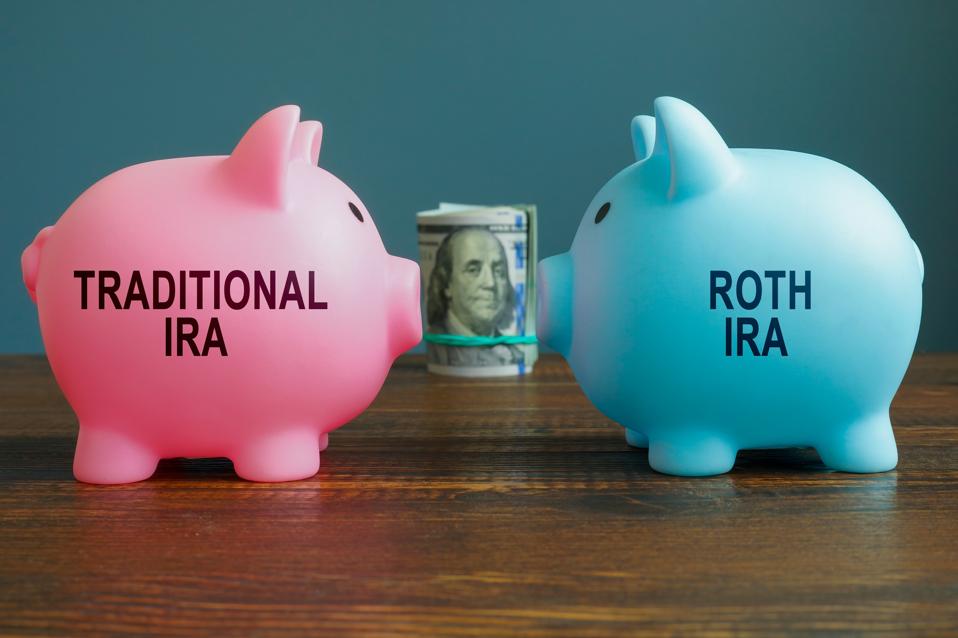
One of the most important retirement planning decisions you’ll make may seem surprisingly simple: should you contribute to a Roth IRA, a Traditional IRA, or a Roth or Traditional 401(k)?
At first glance, it may appear to be nothing more than checking a box during open enrollment. In reality, that decision could affect how much you pay in taxes throughout retirement—and potentially how much wealth you leave to your family.
A recent Forbes article highlights how choosing between Roth and Traditional retirement accounts is really a tax planning decision rather than simply an investment decision. At Nova Wealth Management, we agree. The right choice depends on your current tax situation, future income expectations, retirement goals, and overall financial plan.
The Difference Between Roth and Traditional Accounts
Both Roth and Traditional retirement accounts help you save for retirement, but they receive different tax treatment.
Traditional Retirement Accounts
Traditional IRAs and Traditional 401(k)s generally allow pre-tax contributions. Those contributions may reduce your taxable income today, your investments grow tax-deferred, and withdrawals are generally taxed as ordinary income in retirement.
Traditional accounts are also subject to Required Minimum Distributions (RMDs), meaning you’ll eventually be required to withdraw a minimum amount each year beginning at the applicable IRS age.
Roth Retirement Accounts
Roth accounts work in the opposite direction.
You contribute after-tax dollars today, your investments grow tax-free, and qualified withdrawals during retirement are generally tax-free.
Unlike Traditional IRAs, Roth IRAs are not subject to Required Minimum Distributions during the original owner’s lifetime, making them attractive for many investors focused on long-term tax efficiency and legacy planning.
The Biggest Question Isn’t Roth or Traditional—It’s Taxes
The real question isn’t which account is “better.”
Instead, ask yourself:
Will my tax rate likely be higher today or during retirement?
If you expect your future tax rate to be higher, paying taxes now through Roth contributions may provide long-term benefits.
If you believe you’ll be in a lower tax bracket after retiring, Traditional contributions may provide greater value by allowing you to deduct contributions today and potentially pay taxes later at lower rates.
Unfortunately, no one knows exactly what future tax laws or personal circumstances will look like. That’s why retirement tax planning should remain flexible throughout your career.
How Your Career Stage Can Influence the Decision
Early Career
Many younger professionals are still in relatively low tax brackets.
Because they’re paying lower tax rates today, Roth contributions may allow decades of tax-free growth while locking in today’s tax rates.
Additionally, younger investors often have the greatest advantage of time, allowing compound growth to work in their favor.
Peak Earning Years
As income increases, so do tax brackets.
Many professionals in their highest earning years appreciate the immediate tax deduction provided by Traditional retirement accounts.
Reducing current taxable income may help improve cash flow while continuing to build retirement assets.
However, some investors continue contributing to Roth accounts—or split contributions between Roth and Traditional options—to diversify future tax exposure.
Approaching Retirement
The years immediately before and after retirement often create unique tax planning opportunities.
Many retirees experience several years where taxable income temporarily decreases before Social Security benefits begin and before Required Minimum Distributions become mandatory.
Those years may provide opportunities for carefully planned Roth conversions, allowing investors to move portions of Traditional retirement savings into Roth accounts while potentially remaining within favorable tax brackets.
Why Roth Conversions Have Become So Popular
Roth conversions have become an increasingly common retirement planning strategy because they allow investors to intentionally pay taxes under today’s tax rules rather than leaving future taxes entirely to chance.
While Roth conversions aren’t appropriate for everyone, they may help:
- Reduce future Required Minimum Distributions
- Create tax-free retirement income
- Increase flexibility during retirement
- Potentially reduce lifetime taxes
- Support estate planning goals
Because conversions may affect Medicare premiums, Social Security taxation, and other tax-related considerations, they should generally be evaluated as part of a comprehensive retirement tax strategy.
Where You Retire Can Matter More Than You Think
One factor many investors overlook is state income tax.
If you currently live in a high-income-tax state but expect to retire in a state without income tax, Traditional contributions may become more attractive because your tax deduction today could be worth more than the taxes you’ll eventually pay.
Conversely, someone currently living in a lower-tax state who expects to retire where taxes are higher may benefit more from Roth contributions.
State tax planning is often just as important as federal tax planning.
Estate Planning Considerations
Your retirement accounts don’t just affect your retirement—they may also affect your beneficiaries.
While inherited retirement accounts are governed by SECURE Act rules, Roth IRAs generally allow beneficiaries to receive qualified distributions free from federal income tax.
Traditional retirement accounts, however, generally require beneficiaries to pay ordinary income taxes on withdrawals.
For some families, thoughtful Roth planning may improve tax efficiency across multiple generations.
Estate planning should always be coordinated with tax planning and retirement income planning.
Should You Choose One or Both?
Many investors assume they must choose either Roth or Traditional.
In reality, maintaining both types of retirement accounts may offer valuable flexibility later.
Having multiple “tax buckets” allows retirees to strategically choose which assets to withdraw from based on market conditions, income needs, tax brackets, Medicare considerations, and legislative changes.
This flexibility can become especially valuable during retirement.
Nova Insight
The best retirement tax strategy isn’t necessarily choosing Roth or Traditional—it’s understanding when each may be appropriate.
At Nova Wealth Management, retirement planning goes beyond investment performance. We help clients evaluate current tax rates, future retirement income, Roth conversion opportunities, Required Minimum Distributions, Social Security strategies, and estate planning to develop personalized retirement income strategies designed around their unique goals.
Questions to Ask Before Choosing Roth or Traditional
- What tax bracket am I currently in?
- What tax bracket might I be in during retirement?
- Will I relocate before retirement?
- How important is tax-free retirement income?
- Will Required Minimum Distributions create future tax challenges?
- Should I consider partial Roth conversions?
- How will this decision affect my beneficiaries?
Frequently Asked Questions
Is a Roth IRA better than a Traditional IRA?
Neither account is universally better. The right choice depends on your current tax bracket, expected future tax rate, retirement timeline, and overall financial plan.
What is a Roth conversion?
A Roth conversion moves assets from a Traditional retirement account into a Roth account. Taxes are generally due on the converted amount, but future qualified withdrawals may be tax-free.
Should I contribute to both Roth and Traditional accounts?
Many investors benefit from maintaining both account types to create greater flexibility when managing taxes during retirement.
Do Roth IRAs have Required Minimum Distributions?
No. Roth IRAs are generally not subject to Required Minimum Distributions during the original owner’s lifetime.
Related Reading
- How Much Tax Will I Pay on a Roth Conversion?
- Should I Convert My IRA to a Roth During a Market Drop?
- What Role Does Tax Planning Play in Investment Decisions?
- How to Build a Retirement Income Plan That Works
The Bottom Line
Choosing between a Roth and Traditional retirement account isn’t simply about taxes today—it’s about creating flexibility throughout retirement and potentially reducing lifetime taxes.
Because every investor’s situation is unique, the best strategy often evolves over time as income, tax laws, retirement goals, and family circumstances change.
If you’d like help determining which retirement tax strategy may be appropriate for your situation, schedule a meeting with Nova Wealth Management. Our team can help you evaluate your options as part of a comprehensive retirement and tax planning strategy.
Source inspiration and referenced article:
Forbes via AdvisorStream — Roth Vs. Traditional: The Retirement Tax Decision That Could Save You Hundreds Of Thousands Of Dollars.
Disclosure: This article is provided for educational purposes only and is not intended as personalized investment, tax, or legal advice. Roth conversions and retirement account strategies involve tax considerations that vary by individual circumstances. Consult your tax advisor and financial professional before implementing any retirement or tax planning strategy.




No Comments