


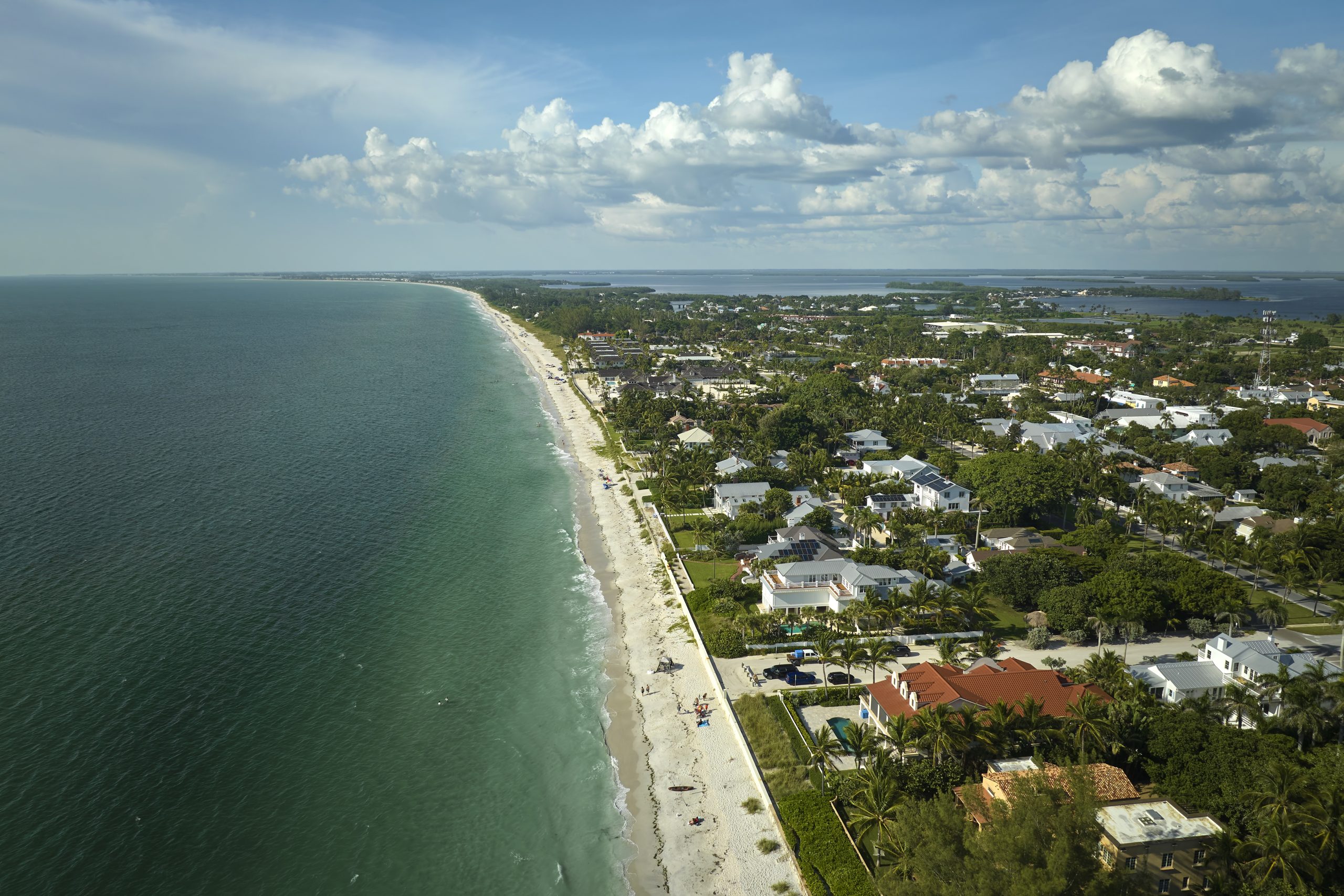

03 Nov Buying a Vacation Home: Tax Implications and Rental Strategies for Florida Properties
Understanding Florida’s Unique Tax Environment for Second Homes
Florida’s reputation as a premier destination for vacation homes is well-earned, thanks in part to its attractive tax climate. With no state income tax and favorable property tax regulations, many buyers from across the country are drawn to the Gulf Coast, including Bonita Springs, Naples, Estero, and Fort Myers. However, purchasing a vacation property in Florida requires careful financial planning to ensure both compliance and tax efficiency.
Key State and Local Tax Considerations
- No State Income Tax: Florida residents and property owners benefit from zero state income tax, making rental income and capital gains more attractive compared to other states.
- Homestead Exemption: Only applies to primary residences, not vacation or rental properties. Out-of-state buyers should not expect this property tax advantage for their second home.
- Property Taxes: Rates vary by county and municipality. Lee County and Collier County have different assessment methods, and property taxes for non-homesteaded homes may rise more quickly than for primary residences.
- Tourist and Rental Taxes: If you rent your property for short-term stays, you will likely be subject to state and local tourist development taxes, in addition to sales tax. Registration and compliance are required.
Federal Tax Implications of Owning a Florida Vacation Home
Your vacation home’s federal tax treatment depends on how you use the property. The IRS distinguishes between personal use, rental use, and mixed use, which can impact deductions, depreciation, and reporting requirements.
Personal Use vs. Rental Use
- Personal Use: If you use the home exclusively for yourself, you can deduct mortgage interest (within IRS limits) and property taxes, but not operating expenses or depreciation.
- Rental Use: Renting the property for more than 14 days per year requires you to report rental income. You may deduct related expenses and depreciation, but must allocate costs between personal and rental use if applicable.
- Mixed Use: If you both use and rent out the home, the IRS requires a calculation to prorate expenses and deductions based on the number of rental and personal-use days. Accurate recordkeeping is essential.
Capital Gains and Basis Adjustments
Should you sell your Florida vacation home, capital gains taxes may apply. Your cost basis may be adjusted for major improvements and depreciation claimed during rental periods. For properties held long-term, strategic planning can help minimize the eventual tax impact.
Rental Strategies for Maximizing Income and Compliance
Many Southwest Florida vacation homeowners seek to offset costs by renting their property when not in use. Developing a rental strategy that aligns with your financial plan is crucial for long-term success.
Short-Term vs. Long-Term Rentals
- Short-Term Rentals: Popular in coastal communities like Bonita Beach, Naples Park, and Fort Myers Beach. These require registration for tourist development tax, collection of sales tax, and compliance with local ordinances and HOA rules.
- Long-Term Rentals: May reduce regulatory complexity and provide steadier income, but could limit your personal use of the property. The tax treatment remains similar, but local laws and lease terms differ.
Best Practices for Vacation Rental Success
- Maintain Detailed Records: Track all rental income, expenses, and days used personally versus rented. This supports accurate tax filings and can help if you face an audit.
- Understand Local Ordinances: Each city or county in Southwest Florida may have unique regulations on short-term rentals, occupancy, and licensing requirements.
- Work with Local Professionals: Partnering with a local property manager and a trusted financial advisor helps ensure compliance, maximize occupancy, and optimize your tax position.
Integrating Vacation Home Ownership into Your Financial Plan
At Nova Wealth Management, our comprehensive approach ensures your vacation home purchase supports your broader wealth management goals. We help clients evaluate:
- Affordability and cash flow implications of a second home
- Portfolio diversification and the role of real estate in long-term planning
- Tax-efficient ownership structures to help manage liability and optimize deductions
- Estate planning coordination for seamless wealth transfer and legacy planning
Whether you are a full-time resident, seasonal visitor, or investor, our team in Bonita Springs, Naples, Estero, and Fort Myers provides tailored advice to help you make confident, well-informed decisions about Florida real estate.
Why Work with Nova Wealth Management?
- Regional expertise: We understand the unique financial landscape of Southwest Florida and the intricacies of local property ownership.
- Fiduciary commitment: Your interests always come first, with transparent, client-focused guidance every step of the way.
- Integrated planning: We connect your real estate goals to your overall financial, retirement, and legacy strategy.
Ready to Take the Next Step?
If you’re considering a vacation home in Bonita Springs, Naples, Estero, Fort Myers, or anywhere along Florida’s Gulf Coast, schedule a consultation before purchasing a vacation home with Nova Wealth Management. Our advisors are here to help you navigate the financial, tax, and estate planning aspects so you can enjoy your property with confidence.
Schedule your consultation today or call 888-677-9910 to connect with a local expert.
Visit us at:
24311 Walden Center Dr Suite 200,
Bonita Springs, FL 34134
Disclosure: This content is for informational and educational purposes only and should not be construed as individualized investment, tax, or legal advice. Past performance is not indicative of future results. Please consult with a qualified advisor and tax professional regarding your specific situation before making any financial decisions.




No Comments