
09 Feb Understanding Inflation, Rate Cuts, and Why Markets React | Nova Wealth Management
Interest rate cuts in the current environment are being viewed as “normalization cuts”, not “recessionary cuts.”
Markets do not react to rate cuts themselves. Instead, markets react to why rate cuts are happening.
Where We Are in the Business Cycle
Many experts believe we are in the late stage of a traditional business cycle. Historically, late-cycle environments tend to feature:
-
Rising inflation
-
Federal Reserve tightening monetary policy
-
Earnings that stagnate or decline
However, the current environment is different.
Today:
-
Inflation is falling, not rising
-
Corporate earnings are expected to grow
-
The Federal Reserve is currently restrictive, but signaling a willingness to ease policy
Because of these differences, some analysts argue that the economy resembles a mid-cycle environment rather than a traditional late cycle.
This type of environment often leads to:
-
Increased market volatility
-
More frequent market corrections
-
Leadership rotation across asset classes
Inflation Trends and Key Metrics
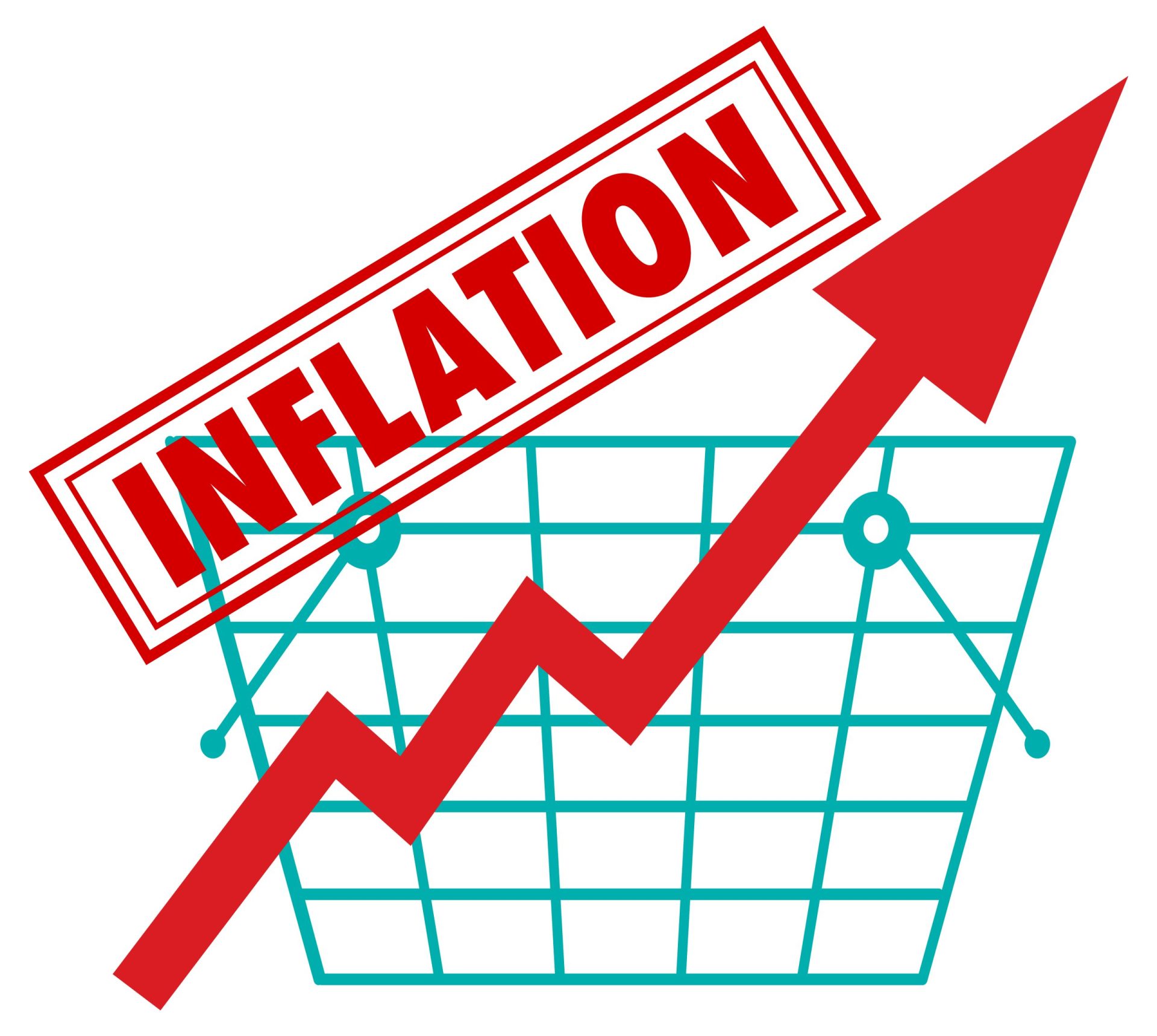
The Personal Consumption Expenditures (PCE) inflation measure has been trending downward, with the past six months showing signs of stabilization.
A particularly important metric within inflation analysis is Supercore Services Inflation.
Supercore Services removes:
-
Food
-
Housing
-
Energy
This allows the focus to shift toward labor-intensive services, where prices are heavily influenced by wage growth rather than commodity costs or housing trends.
Examples of labor-intensive services include:
Professional Services
-
Lawyers
-
Accountants
-
Plumbers
Personal Care
-
Haircuts
-
Grooming services
Entertainment and Travel
-
Sporting events
-
Airfare
-
Cruises
Education and Healthcare
-
Tuition
-
Medical treatments
Federal Reserve Chair Jerome Powell has referred to this category as “perhaps the most important” metric for understanding the path of inflation.
Housing and rent data tend to be lagging indicators, meaning they reflect inflation pressures with a delay. By removing housing, Supercore Services provides a clearer, more current picture of pricing pressures in the economy.
Historically, once services inflation rises, it tends to remain elevated and is more difficult for the Federal Reserve to control. Therefore, easing pressure in this area would be a meaningful sign that overall inflation is moving in the right direction.
Why Wage Growth Matters for Services Inflation
Labor-intensive services are primarily driven by unit labor costs (ULC).
A simplified way to understand this relationship is:
Services Inflation ≈ Wage Growth – Productivity Growth + Margin Effects
Another way to express this mathematically is:
Unit Labor Cost Growth = Wage Growth – Labor Productivity Growth
Because labor is the dominant input in services industries, services inflation tends to track unit labor costs over time.
Putting the Math Together
Assume:
-
Wage growth of 4.0%
-
Long-run U.S. productivity growth of approximately 1.5%
The calculation becomes:
ULC = 4.0% wage growth – 1.5% productivity growth
ULC = 2.5%
This math helps explain why services inflation naturally caps around 2.5%–3.0% under normal conditions.
Key Questions Markets Are Asking
-
What would cause services inflation to rise to 4%–5%?
-
Would that require significantly higher wage growth, lower productivity, or expanding margins?
-
Can the Federal Reserve reduce pressure in labor-driven inflation without triggering economic stress?
These questions are central to how both markets and policymakers interpret inflation data.
Why Markets and the Federal Reserve Care So Much
Because services inflation is:
-
Labor-driven
-
Sticky once elevated
-
Less influenced by commodity cycles
…it plays a critical role in determining whether inflation will continue to move toward the Federal Reserve’s long-term targets.
Bottom Line
-
Current rate cuts are viewed as normalization, not recession response
-
Inflation trends are improving, particularly in recent PCE data
-
Supercore Services inflation is a critical metric to watch
-
Wage growth and productivity math suggest services inflation may naturally stabilize around 2.5%–3%
-
This environment supports continued market volatility and rotation rather than broad economic weakness
Next Steps
If you’d like help creating a retirement income plan tailored to your goals and circumstances, our team is here to help.
👉 Contact Us
📞 Phone: (239) 444-1794 (Florida) or (214) 764-9137 (Dallas)Disclosure: This content is provided for general educational purposes only and does not constitute personalized financial, tax, or legal advice.



No Comments